Why Strength Training is the Best Thing You Can Do in Menopause
Most women are told to do more cardio when they hit perimenopause. Here's why that's the wrong advice — and what the research actually says.
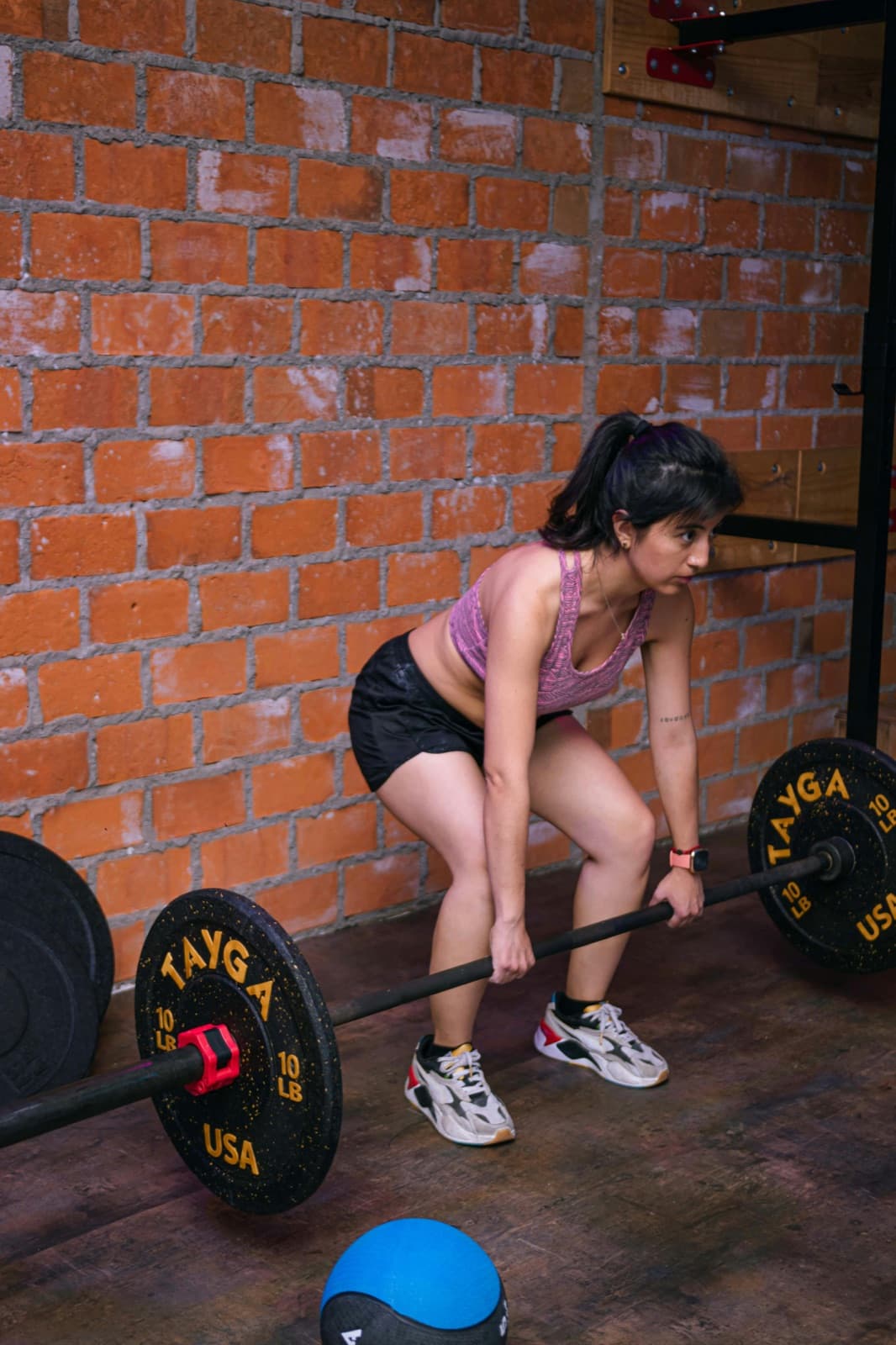
If you've been slogging away at cardio and wondering why you're exhausted, gaining weight around your middle, and feeling worse than ever — you're not alone. And you're not doing anything wrong. You've just been given the wrong advice.
Why Doesn't Cardio Alone Work in Menopause?
Prolonged cardio can backfire in menopause because, as oestrogen declines, the body becomes more cortisol-sensitive — and sustained cardio sessions spike cortisol, the stress hormone.
Cortisol spikes from excessive cardio in turn:
- Break down muscle tissue
- Increase fat storage around the abdomen
- Disrupt sleep
- Worsen mood and anxiety
The harder you work in the wrong way, the harder your body fights back.
What Does the Research Say About Strength Training in Menopause?
A growing body of evidence points to resistance training as one of the most effective interventions for menopausal symptoms — it preserves muscle, protects bone, and improves insulin sensitivity in ways cardio alone does not.
Preserves lean muscle mass. Research on sarcopenia in menopausal women shows that declining oestrogen accelerates reductions in muscle mass, strength and neuromuscular function during and after menopause — on top of the roughly 1% a year women already lose from around age 40 (see our post on menopause weight gain for more on why this matters for metabolism). Strength training is the most proven way to slow and reverse it.
Protects bone density. Oestrogen plays a key role in bone health, and as it declines, fracture risk rises sharply. According to the Royal Osteoporosis Society, weight-bearing resistance exercise stimulates bone formation and is one of the most evidence-backed non-pharmaceutical interventions available — we cover this in depth in our post on bone health and osteoporosis prevention.
Improves insulin sensitivity. Muscle is metabolically active. More muscle means better blood sugar regulation, less fat storage, and more stable energy throughout the day.
Supports sleep and mood. Strength training increases serotonin and reduces cortisol over time. Women who lift consistently report better sleep quality and lower rates of anxiety and depression.
Why Don't Some Women See These Benefits From Strength Training?
The problem usually isn't strength training itself — it's how it's programmed. Most gym programmes are designed for younger men, or for aesthetics, not hormonal health. They don't account for:
- Nervous system recovery capacity (which changes in menopause)
- Training periodisation around cycle phases (in perimenopause, cycles are irregular but still present)
- The importance of managing training load to avoid cortisol spikes
- The difference between fatigue and productive stress
This is why training smarter matters more than training harder.
What Does Hormone-Aware Training Look Like?
At Mettle Fitness, we structure every programme around three principles: progressive overload, built-in nervous system recovery, and phase awareness — adjusting intensity to where you are hormonally, not following a generic template.
- Progressive overload — gradual, consistent increases in challenge to drive adaptation without overload
- Nervous system recovery — built-in recovery sessions and deload weeks to prevent burnout
- Phase awareness — understanding where you are in your hormonal cycle and adjusting intensity accordingly
The result? Women who consistently feel stronger, sleep better, and have more energy — not less. If you're also managing weight changes, our post on exercise and menopause looks at how strength training fits alongside other activity types.
The First Step
If you're ready to try a different approach, our Flow Strong programme is designed specifically for this. It's a 12-week structured programme, with small groups, expert coaching, and a community of women who are on the same journey.
Book your discovery call and let's talk about whether it's right for you.
Mettle Fitness is a women's strength personalised coaching based in Solihull, Birmingham. We specialise in menopause-informed training for women aged 40–65.
Frequently Asked Questions
Why doesn't cardio alone work well in menopause?
Prolonged cardio can spike cortisol in women with declining oestrogen, which breaks down muscle, increases abdominal fat storage, disrupts sleep and worsens mood — the opposite of what most women need.
How much muscle do women lose during menopause?
Research points to declining oestrogen accelerating reductions in muscle mass, strength and neuromuscular function during and after menopause, on top of the age-related loss already underway.
Does strength training really protect bone density in menopause?
Yes — weight-bearing resistance exercise stimulates bone formation and is one of the most evidence-backed non-pharmaceutical ways to protect bone density as oestrogen declines.
Why don't some women see results from strength training in menopause?
Usually because the programme isn't adapted for hormonal health — it ignores recovery capacity, cycle-phase awareness, and training load, treating menopausal women the same as younger lifters.
How often should you strength train during menopause?
A structured programme with progressive overload two to three times a week, built around adequate recovery, is what the evidence supports — training smarter matters more than training harder.
Ready to try a different approach?
Book a 30-minute discovery call with Mettle Fitness. No obligation.
Book Your Discovery Call