Exercise and Menopause: The Perfect Combination
Staying active during menopause does more than look after your body — it supports your mind and quality of life too. Here's why exercise is one of the most powerful tools available to you during this transition.
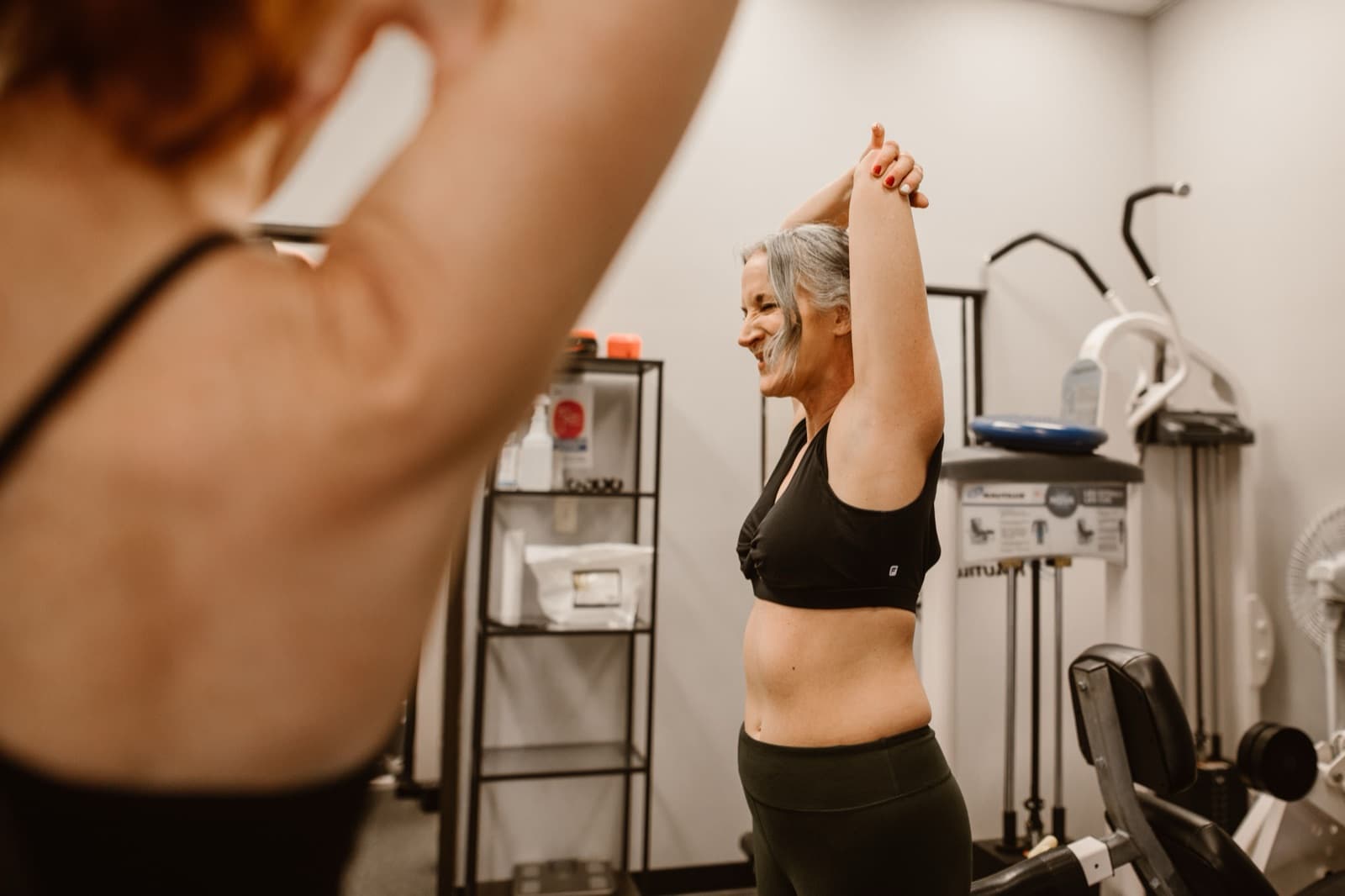
Menopause marks a new chapter in a woman's life. While hormonal changes can bring physical and emotional symptoms that are hard to manage, it is also an ideal moment to prioritise wellbeing and build healthy habits. Among all the tools available, exercise stands out as one of the most powerful allies.
Staying active during menopause does more than look after your body — it supports your mind and quality of life too. From improving mood to strengthening bones and managing weight, physical activity can make a real difference during this transition.
Why Is Exercise So Important During Menopause?
Exercise is important during menopause because it directly counteracts the effects of declining oestrogen — weight gain, muscle loss, weakening bones, fatigue, and emotional shifts — while also supporting cardiovascular health and daily energy levels.
The key is not to push yourself to extremes, but to find a consistent routine that is adapted to your individual needs.
What Are the Benefits of Exercise During Menopause?
Exercise during menopause helps manage weight, protects bones and muscle, improves mood and sleep, and reduces cardiovascular risk — addressing most of the major physical and emotional symptoms of this transition at once.
Does Exercise Help Manage Weight in Menopause?
Yes — physical activity helps burn calories, preserve muscle mass, and prevent the build-up of abdominal fat, which becomes more likely as metabolism slows during menopause (our post on menopause weight gain covers the hormonal reasons why in more depth).
Can Exercise Reduce Stress and Improve Mood in Menopause?
Yes — exercise releases endorphins, often called the happiness hormones, which can help reduce anxiety, irritability, and mood swings.
Staying active also boosts self-esteem and brings a genuine sense of emotional wellbeing.
Does Exercise Strengthen Bones and Muscles in Menopause?
Yes — strength and resistance training helps fortify both bones and muscles, reducing the risk of falls and fractures at a time when declining bone density raises osteoporosis risk (see our full guide to bone health and osteoporosis prevention).
Does Exercise Improve Sleep in Menopause?
Yes — regular exercise promotes deeper, more restorative sleep, which matters given how common insomnia becomes during this stage of life.
Does Exercise Protect Heart Health After Menopause?
Yes — after menopause, the risk of cardiovascular disease increases, and staying active helps regulate blood pressure, improve circulation, and protect the heart.
What Are the Best Types of Exercise for Menopause?
The most effective approach combines strength training, low-impact cardio, and balance work — the NHS recommends at least 150 minutes of moderate activity a week (or 75 minutes vigorous), plus muscle-strengthening activity on at least two days a week.
Is Walking a Good Exercise for Menopause?
Yes — walking is one of the simplest and most effective ways to stay active. It supports heart health, lifts your mood, and can be done at any age.
Why Does Strength Training Matter in Menopause?
Using light weights, resistance bands, or bodyweight exercises helps preserve muscle mass and strengthen bones — see our post on why strength training is the best thing you can do in menopause for the fuller picture.
Do Yoga and Tai Chi Help During Menopause?
Yes — these disciplines improve flexibility, posture, and balance, and also help reduce stress and encourage relaxation.
What Cardiovascular Exercise Is Best for Menopause?
Low-impact options such as dancing, swimming, cycling, or aerobics classes improve physical endurance and cardiovascular health without the excessive cortisol load that high-volume, high-intensity cardio can bring.
Why Are Balance Exercises Important in Menopause?
Balance exercises are particularly important for preventing falls and maintaining stability — especially as the years go on and bone density naturally declines.
How Do You Start an Exercise Routine in Menopause?
Start slowly, choose activities you genuinely enjoy, and aim for consistency over perfection — that combination is what makes a routine sustainable rather than something you abandon after a few weeks.
- Start slowly and listen to your body
- Choose activities you genuinely enjoy so you stay motivated
- Aim for consistency over perfection
- Wear comfortable clothing and stay well hydrated
- Consult a professional if you have any health concerns or have not exercised in a long time
The most important thing is to make movement part of your daily routine — without pressure or unrealistic expectations.
Is Exercise More Than Just Physical Fitness in Menopause?
Yes — exercise during menopause is as much an emotional and psychological tool as a physical one, helping you feel stronger, more energised, and emotionally balanced as you adapt to this new stage of life.
Every step, every walk, and every small effort adds up. Incorporating physical activity during menopause is an investment in your health, your energy, and your quality of life.
Because taking care of yourself never goes out of style — and movement may be your greatest companion in this new chapter.
Frequently Asked Questions
Why is exercise so important during menopause?
Because declining oestrogen contributes to weight gain, muscle loss, weakening bones, fatigue and mood changes, and regular exercise directly counteracts each of these while supporting heart health and energy.
How much exercise do you need during menopause?
The NHS recommends at least 150 minutes of moderate activity a week (or 75 minutes vigorous), plus muscle-strengthening activity on at least two days a week.
What type of exercise is best for menopause?
A mix works best: strength training to preserve muscle and bone, walking or low-impact cardio for heart health, and balance work such as yoga or tai chi to reduce fall risk and support relaxation.
Can exercise help with menopause mood symptoms?
Yes — exercise releases endorphins, which can reduce anxiety, irritability and mood swings, and staying active also supports self-esteem and emotional wellbeing more broadly.
Is walking enough exercise during menopause?
Walking is a strong foundation for heart health and mood, but pairing it with strength training gives the added benefit of preserving muscle and bone density, which walking alone does not provide.
Ready to try a different approach?
Book a 30-minute discovery call with Mettle Fitness. No obligation.
Book Your Discovery Call