Bone Health and Menopause: How to Prevent Osteoporosis
Menopause accelerates bone loss — but osteoporosis is not inevitable. Here's what the science says about protecting your bones through strength training, nutrition, and healthy habits.
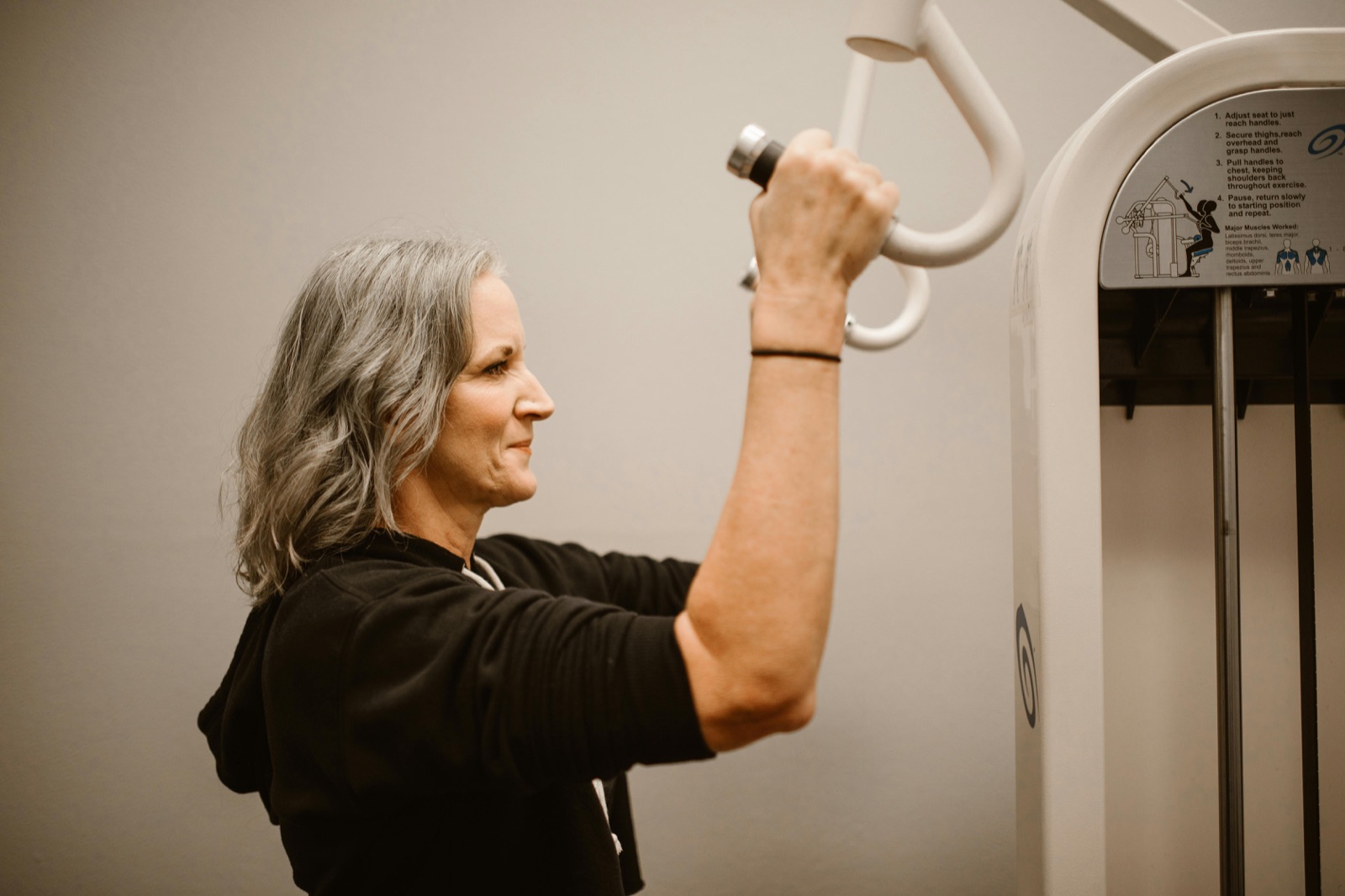
Menopause brings many physical and hormonal changes, but one of the most significant — and least visible — affects our bones directly.
From menopause onwards, falling oestrogen levels accelerate bone loss, significantly increasing the risk of osteoporosis and fractures. The good news is that there are effective strategies to protect bone health and keep your bones strong during this stage of life.
What is Osteoporosis?
Osteoporosis is a condition that weakens bones, making them more fragile and prone to fractures. It is often called the "silent disease" because it typically develops without symptoms until a fracture occurs.
The most commonly affected areas are:
- Hip
- Spine
- Wrists
In postmenopausal women, the risk increases considerably due to the reduction in oestrogen — a hormone that plays a key role in maintaining bone density.
Why Does Menopause Affect Bones?
Oestrogen helps regulate the natural cycle of bone formation and breakdown.
When oestrogen levels decline:
- The rate of bone loss increases
- The body's ability to regenerate new bone decreases
- Bone mineral density is reduced
During the first five years after menopause, some women can lose up to 20% of their bone mass.
Warning Signs
Although osteoporosis is usually silent, some signs may indicate significant bone loss:
- Loss of height
- Frequent back pain
- Stooped posture
- Fractures from minor falls
For this reason, regular medical check-ups are important, and you should consult a healthcare professional if you have any risk factors.
The Importance of Strength Training
One of the best tools for preventing osteoporosis is strength training.
When muscles exert tension on bones, they receive a signal to strengthen and increase in density.
The benefits include:
- Greater bone density
- Increased muscle mass
- Better balance and coordination
- Lower risk of falls
- Greater functional independence
The most recommended exercises are:
- Squats
- Deadlifts
- Lunges
- Step-ups
- Chest press
- Rows
There is no need to lift heavy weights from day one. A progressive, tailored programme can produce excellent results.
Nutrition Matters Too
Ensuring adequate nutrient intake is essential for maintaining strong bones.
Calcium
Women over 50 need approximately 1,200 mg of calcium per day.
Good sources of calcium include:
- Natural yogurt
- Milk
- Cheese
- Sardines
- Almonds
- Fortified tofu
- Dark leafy greens
Vitamin D
Vitamin D helps the body absorb calcium properly.
You can get it through:
- Moderate sun exposure
- Oily fish
- Eggs
- Supplementation when needed
Protein
Protein is essential for preserving muscle mass and contributing to bone health.
Include in every meal:
- Fish
- Lean meat
- Eggs
- Legumes
- Dairy products
- Tofu or tempeh
Other Habits That Protect Your Bones
Alongside exercise and nutrition:
- Avoid smoking
- Limit excessive alcohol consumption
- Maintain a healthy weight
- Sleep 7–9 hours per night
- Manage stress
The combination of these habits can make a significant difference to long-term bone health.
Conclusion
Osteoporosis is not an inevitable consequence of menopause.
Regular strength training, a balanced diet rich in calcium, vitamin D and protein, and healthy lifestyle habits can all help you maintain strong bones for many years to come.
It is never too late to start taking care of your bone health. Every workout, every balanced meal, and every small healthy habit adds up — building a stronger, more active future.
Ready to try a different approach?
Book a 30-minute discovery call with Mettle Fitness. No obligation.
Book Your Discovery Call