Protein After 40: Why You Need More Than You Think
If your protein intake hasn't changed since your twenties, there's a good chance you're eating less than your body now needs — not a trendy high-protein diet, but a genuine shift in what your body requires.
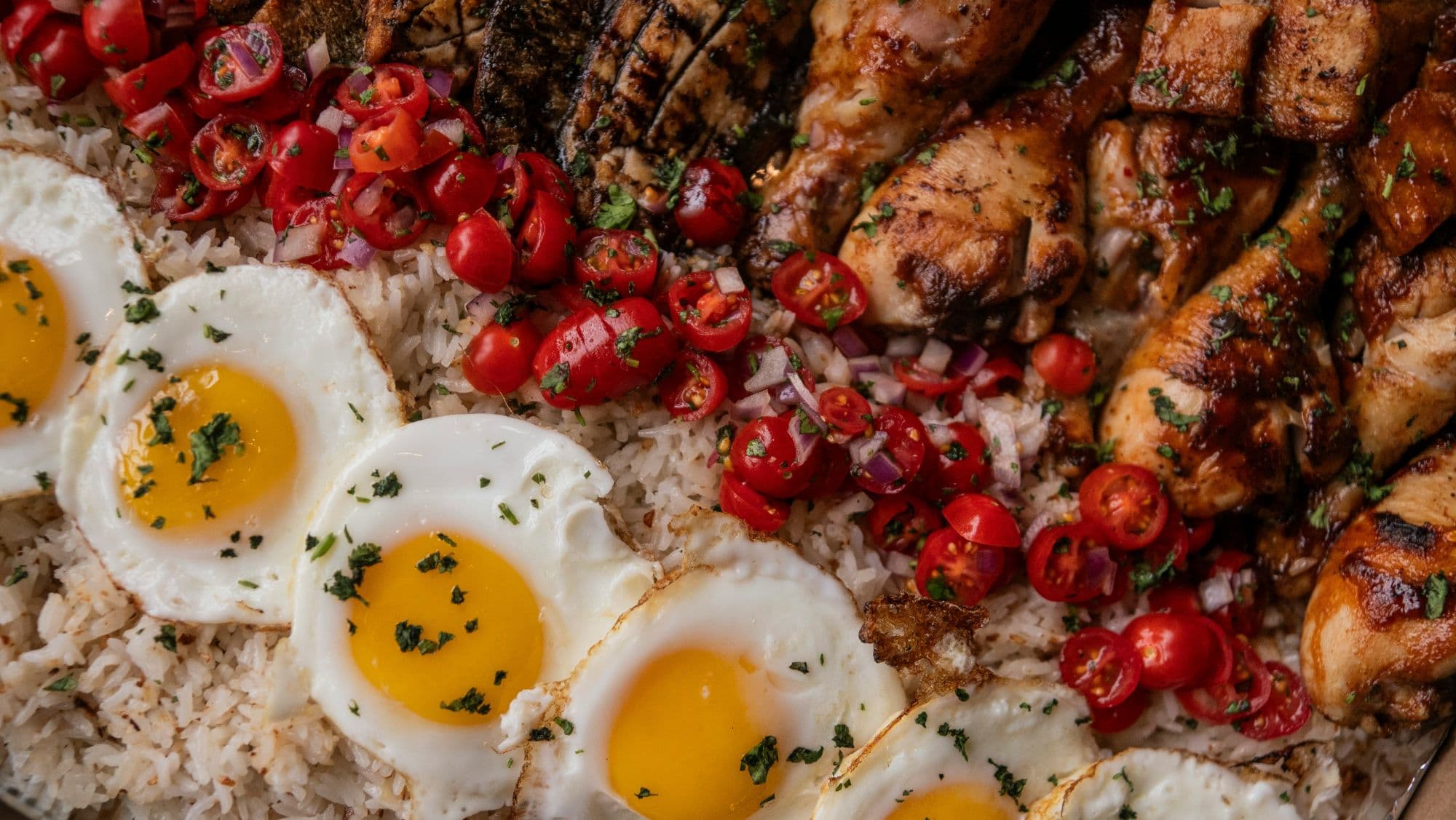
If your protein intake hasn't changed since your twenties, there's a good chance you're eating less than your body now needs. This isn't about a trendy high-protein diet — it's about a genuine shift in what your body requires as you move through your forties, fifties, and beyond.
Why Do My Protein Needs Change After 40?
From around your mid-thirties onward, your body naturally loses muscle mass each decade — a process that accelerates around menopause as declining oestrogen reduces how efficiently your body builds and maintains muscle from the protein you eat. In practice, this means you need to eat more protein than you used to just to achieve the same muscle-building effect your body managed easily at 25.
This isn't cosmetic. Muscle mass is directly linked to metabolic rate, blood sugar regulation, bone strength, balance, and long-term independence, according to the National Institute on Aging's guidance on sarcopenia. Losing it quietly in the background is one of the more consequential — and preventable — parts of ageing.
How Much Protein Is Actually Enough?
For women in perimenopause and menopause who are strength training, research generally points to somewhere in the range of 1.2–1.6g of protein per kg of bodyweight per day — meaningfully more than most women are currently eating.
General population guidelines (around 0.8g per kg) are based on preventing deficiency, not on optimising muscle maintenance in midlife. For a woman weighing 70kg, the higher range works out to roughly 84–112g of protein a day, spread across meals rather than eaten in one sitting.
Why Does Spreading Protein Out Across the Day Matter?
Your body can only use so much protein for muscle building in a single sitting — generally somewhere around 25–35g per meal is the effective range for most women. Eating one large protein-heavy dinner and very little the rest of the day is far less effective than distributing protein across three or four meals. Aim for a source of protein at breakfast, lunch, dinner, and ideally one snack.
What Are Practical Ways to Increase Protein Intake?
You don't need protein powder to hit these numbers, though it can help on busy days.
- Add a protein source to breakfast — Greek yoghurt, eggs, or cottage cheese rather than toast and jam alone.
- Build meals around protein first, then add carbohydrates and vegetables around it, rather than treating protein as a side note.
- Keep easy options on hand — tinned fish, boiled eggs, edamame, or a good-quality protein shake for days when cooking isn't happening.
- Don't fear red meat, dairy or eggs out of outdated assumptions — for most women, these remain some of the most efficient protein sources available.
Is Protein Alone Enough to Build or Maintain Muscle?
No — protein provides the raw material, but resistance training is what tells your body to actually use it. Eating more protein without a reason for your body to use it won't build or maintain much muscle on its own. The two need to work together: adequate protein intake plus structured strength training and progressive overload is what protects muscle mass, strength, and metabolic health through menopause and beyond.
The Takeaway
If you've been eating the same way for years and wondering why maintaining muscle and managing your weight feels harder than it used to, protein is one of the simplest places to start. Increase your intake, spread it across the day, and pair it with regular strength training — the combination is doing far more for your long-term health than either one alone.
Frequently Asked Questions
Why do protein needs change after 40?
From your mid-thirties onward you naturally lose muscle mass each decade, a process that accelerates around menopause as declining oestrogen reduces how efficiently your body builds muscle from the protein you eat.
How much protein should women over 40 eat?
Research generally points to 1.2–1.6g per kg of bodyweight per day for women in perimenopause and menopause who are strength training — meaningfully more than the standard 0.8g/kg guideline for preventing deficiency.
How should protein be spread across the day?
Across three or four meals rather than one large serving — the effective range for muscle building is roughly 25–35g per meal, so a protein source at breakfast, lunch, dinner and a snack works best.
Do I need protein powder to hit these targets?
No, though it can help on busy days. Greek yoghurt, eggs, tinned fish, red meat and dairy are efficient whole-food sources that can cover most women's needs without supplements.
Is protein alone enough to maintain muscle?
No — protein provides the raw material, but resistance training is what tells your body to actually use it. The two need to work together to protect muscle mass and metabolic health.
Ready to try a different approach?
Book a 30-minute discovery call with Mettle Fitness. No obligation.
Book Your Discovery Call