How Much Weight Should You Actually Be Lifting? A Beginner's Guide to Progressive Overload
How heavy should you actually be lifting? The honest answer isn't a number — it's a principle called progressive overload, and understanding it matters more than any weight on the rack.
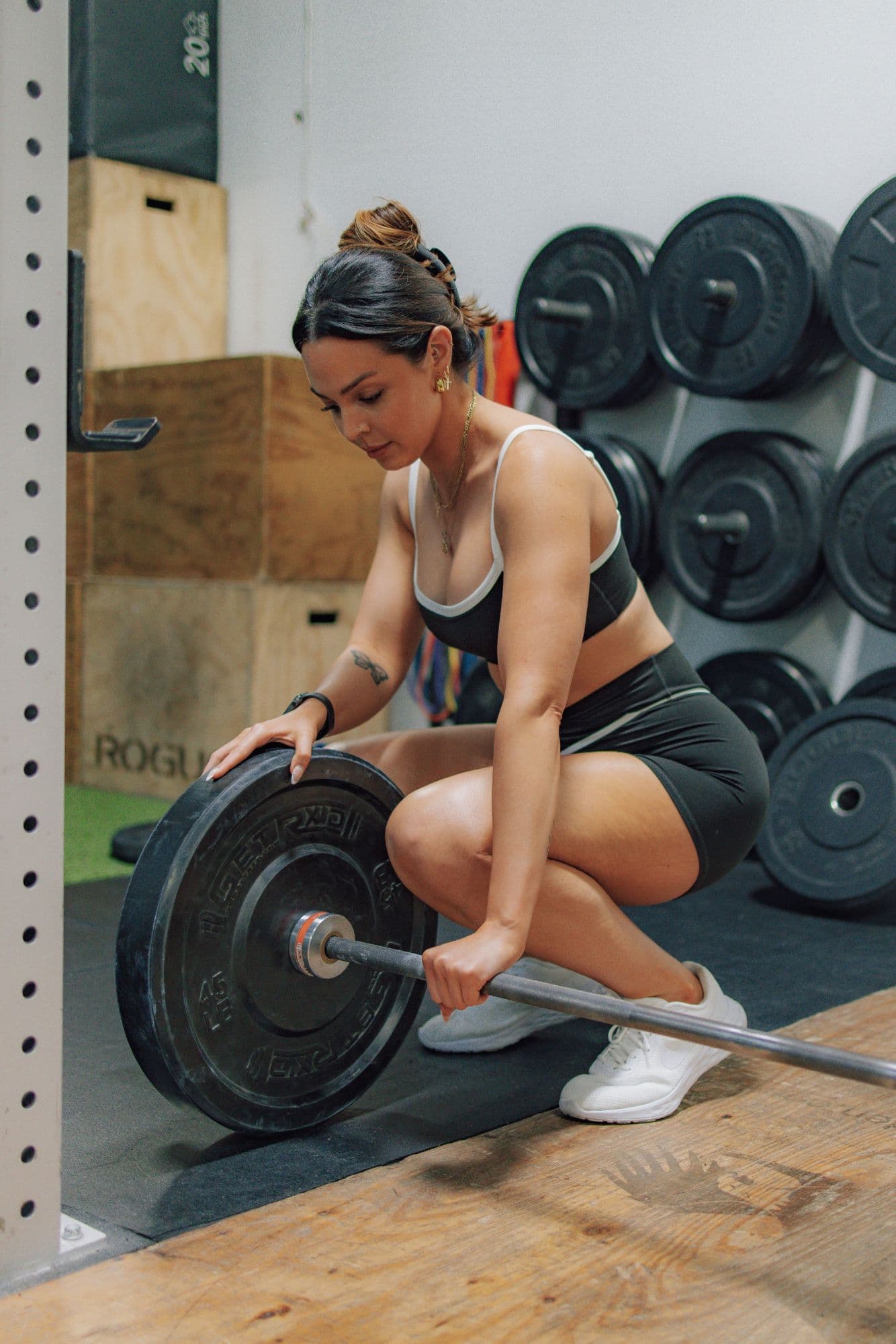
One of the most common questions from anyone new to strength training: how heavy should I actually be lifting? The honest answer isn't a number — it's a principle called progressive overload, and understanding it matters more than any specific weight on the rack.
What Does Progressive Overload Actually Mean?
Progressive overload is the gradual, deliberate process of increasing the demand on your muscles over time — whether that's more weight, more reps, more sets, or better control of the movement. Your body only gets stronger when it's asked to do something slightly harder than it's used to.
Without it, you can train consistently for months and see very little change, because your body has no reason to adapt further.
How Do I Know My Starting Weight?
Ignore what anyone else is lifting — the right starting weight is one where the last 2–3 reps of a set feel genuinely challenging, but your form doesn't break down.
- The last 2–3 reps of a set feel genuinely challenging, but your form doesn't break down.
- You could maybe do 1–2 more reps if you absolutely had to, but not comfortably more than that.
- You finish the set feeling worked, not wrecked.
If a weight feels easy for a full set of 12–15 reps with good form, it's time to increase it. If your form falls apart before you finish the set, it's too heavy — drop it down.
How Do I Actually Progress Over Time?
You don't need to increase the weight every single session — a sensible approach builds reps first, then weight, in a repeating cycle.
1. Master the movement first. Before adding weight, make sure your form is consistent and controlled — adding load to poor technique just reinforces the poor technique and increases injury risk.
2. Increase reps before you increase weight. If you're doing 3 sets of 8 reps, work up to 3 sets of 12 with the same weight before moving up.
3. Then increase weight, and drop reps back down. Once you can comfortably hit the top of your rep range, add a small amount of weight and let reps drop back to the bottom of the range — then build back up again.
4. Expect this to take weeks, not sessions. Meaningful strength progress happens over months of consistent small increases, according to ACSM guidance on resistance training progression, not week to week.
What Are the Most Common Mistakes?
The two opposite failure modes are increasing too fast, which drives most injuries, and never increasing at all, which stalls progress entirely.
- Increasing weight too fast, chasing numbers rather than form.
- Never increasing at all, staying at a comfortable weight indefinitely and wondering why progress has stalled.
- Comparing your weights to other people's rather than your own past sessions.
- Ignoring recovery — progressive overload only works if you're recovering between sessions; sleep, nutrition, and rest days aren't optional extras.
Why Does This Matter More As You Get Older?
Progressive overload isn't just for building visible muscle — it's the mechanism that protects bone density, maintains functional strength, and keeps your body capable as you age. This becomes increasingly important through your forties, fifties and beyond, when muscle and bone naturally decline without a specific stimulus to counteract it. It's also the same principle behind why lifting weights won't make you "bulky" — the gradual increases that build real strength are a world away from the volume needed to build significant size.
The Takeaway
There's no universal "right" weight to lift — only the right weight for where you are right now, increased gradually and deliberately over time. Track what you're lifting, notice when it starts to feel easier, and adjust accordingly. That process, repeated consistently, is what actually builds strength — far more than chasing an arbitrary number from day one.
Frequently Asked Questions
What is progressive overload?
The gradual, deliberate process of increasing the demand on your muscles over time — more weight, more reps, more sets, or better control of the movement — which is what forces your body to keep adapting.
How do I know if a weight is right for me?
The last 2–3 reps of a set should feel genuinely challenging without your form breaking down, and you should finish feeling worked, not wrecked. If a weight feels easy for 12–15 reps, it's time to increase it.
Should I increase weight every session?
No — that's neither necessary nor realistic. Master the movement first, increase reps before weight, then add a small amount of weight and let reps drop back down before building up again.
What's the most common progressive overload mistake?
Increasing weight too fast and chasing numbers rather than form — this is where most injuries happen. The opposite mistake, never increasing at all, is just as common and stalls progress entirely.
Why does progressive overload matter more as you get older?
It's the mechanism that protects bone density, maintains functional strength, and keeps your body capable through your forties, fifties and beyond, when muscle and bone naturally decline without a specific stimulus to counteract it.
Ready to try a different approach?
Book a 30-minute discovery call with Mettle Fitness. No obligation.
Book Your Discovery Call