Why Lifting Weights Won't Make You 'Bulky' (The Science, Explained Simply)
It's one of the most persistent myths in fitness, and it stops more women from strength training than almost any other misconception. Here's why that fear isn't how the body actually works.
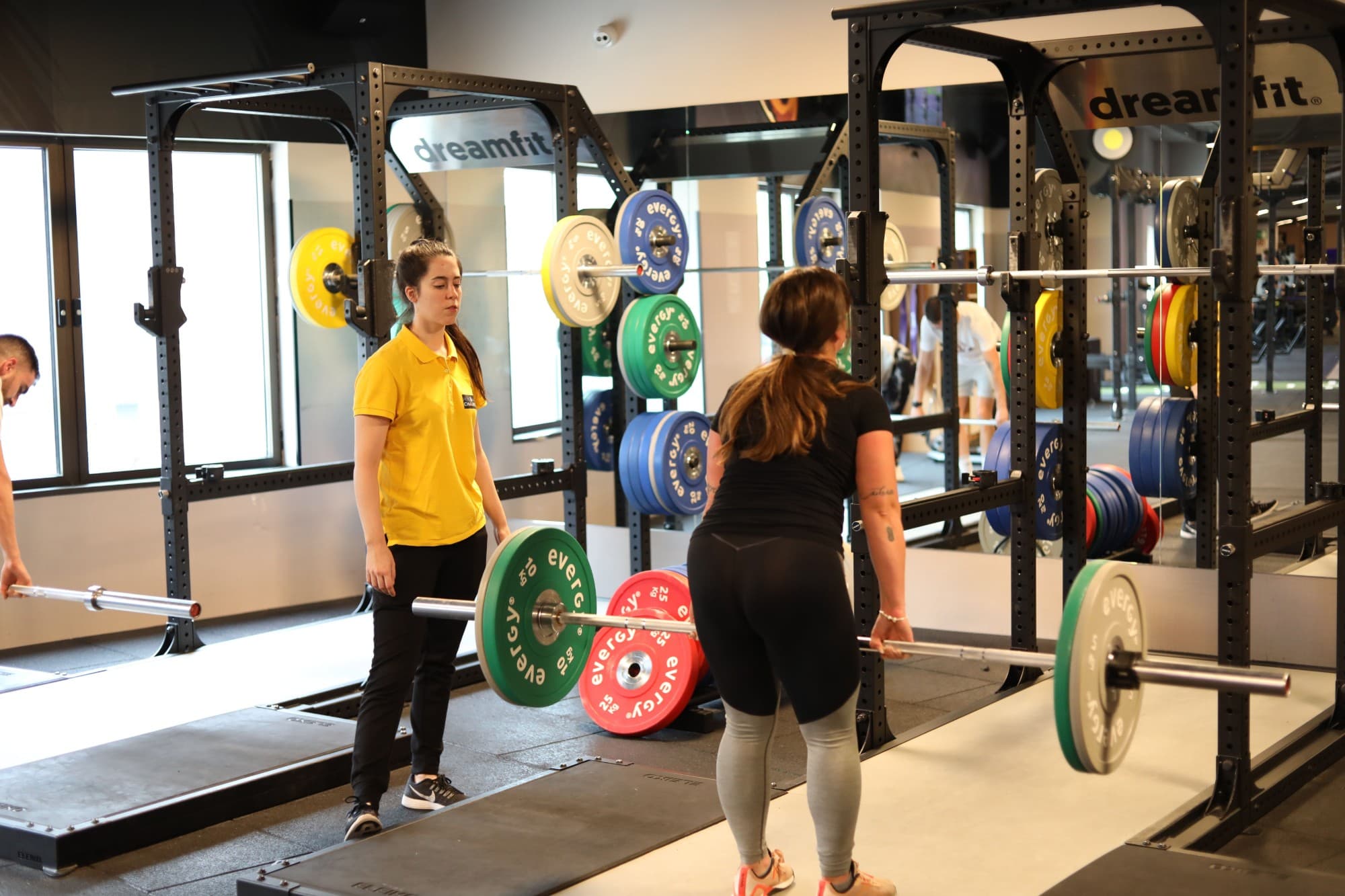
It's one of the most persistent myths in fitness, and it stops more women from strength training than almost any other misconception: the fear that lifting weights will make you "bulky." Here's why that's not how it works.
Where Does the "Bulky" Fear Come From?
The image usually cited is a competitive bodybuilder — extreme muscularity built over years of specific training, specific nutrition, and often specific supplementation, all aimed deliberately at maximum size. That result doesn't happen by accident, and it definitely doesn't happen from a few sessions a week of general strength training.
Why Doesn't Lifting Weights Make Most Women Bulky?
Because significant muscle growth depends heavily on testosterone, and women naturally produce roughly 10–20 times less of it than men — the primary reason men build visible muscle mass more easily and quickly, according to research on sex differences in muscle hypertrophy. Without that hormonal environment, the kind of rapid, dramatic muscle growth people fear simply isn't available to most women through normal strength training.
This becomes even more relevant during perimenopause and menopause, when declining oestrogen actually makes it harder, not easier, to build muscle — which is exactly why strength training matters more in menopause, not less.
What Does Strength Training Actually Do for Most Women?
Rather than "bulk," most women who strength train consistently notice a more defined, toned appearance, better posture, and clothes fitting differently — all well before any visible change in size.
- A more defined, toned appearance — visible shape comes from a combination of some added muscle and reduced body fat, not size.
- Improved posture and body confidence, from a stronger back and core.
- Clothes fitting differently — often better — as body composition shifts, even when the number on the scale barely moves.
- Noticeably more functional strength in daily life, well before any visible size change.
Building even a small, meaningful amount of muscle takes months of consistent, progressive training — it doesn't happen from picking up a dumbbell a few times.
What Would It Actually Take to Build Significant Muscle?
Building visible size deliberately requires a specific, demanding combination: a structured hypertrophy programme, a calorie surplus, very high training volume, and total consistency over a long period. It's a deliberate outcome that takes real, sustained effort to achieve — not a side effect that happens if you're "not careful" with your weights.
What's the Real Risk Here?
The far bigger risk for most women is avoiding resistance training out of this fear, and missing out on what it actually does: protecting bone density, maintaining muscle mass that naturally declines with age, supporting metabolic health, and building the kind of functional strength that makes daily life easier for decades to come. If you're new to the weights room altogether, our post on what actually happens in your first personal training session walks through exactly what to expect.
The Takeaway
Lifting weights won't accidentally turn you into a bodybuilder — that outcome requires years of deliberate, specific effort most people never pursue. What it will do is make you stronger, more capable, and better protected against the muscle and bone loss that comes with age. The myth has cost a lot of women years of benefits they were afraid to start.
Frequently Asked Questions
Will lifting weights make women bulky?
No. Significant muscle mass gain depends heavily on testosterone, which women produce at roughly 10–20 times lower levels than men, so the rapid, dramatic growth people fear isn't physiologically available through normal strength training.
What does strength training actually do to a woman's body?
Most women who train consistently notice a more defined, toned appearance, improved posture, clothes fitting differently, and noticeably more functional strength — from added muscle and reduced fat, not size.
Does menopause make it easier or harder to build muscle?
Harder. Declining oestrogen reduces how efficiently the body builds and maintains muscle, which is exactly why deliberate strength training becomes more important at this life stage, not less.
What would it actually take to build significant muscle mass?
A structured hypertrophy programme, a calorie surplus, very high training volume, and total consistency over a long period — a deliberate outcome that takes real, sustained effort to achieve.
What's the real risk if I avoid strength training out of fear of bulk?
Missing out on protection for bone density, muscle mass that naturally declines with age, metabolic health, and the functional strength that makes daily life easier for decades to come.
Ready to try a different approach?
Book a 30-minute discovery call with Mettle Fitness. No obligation.
Book Your Discovery Call