Squats, Deadlifts, Presses: The Only 3 Exercises You Need to Learn First
Dozens of machines, hundreds of exercises, endless conflicting advice. If you're starting out, ignore almost all of it — three movement patterns cover most of what your body actually needs.
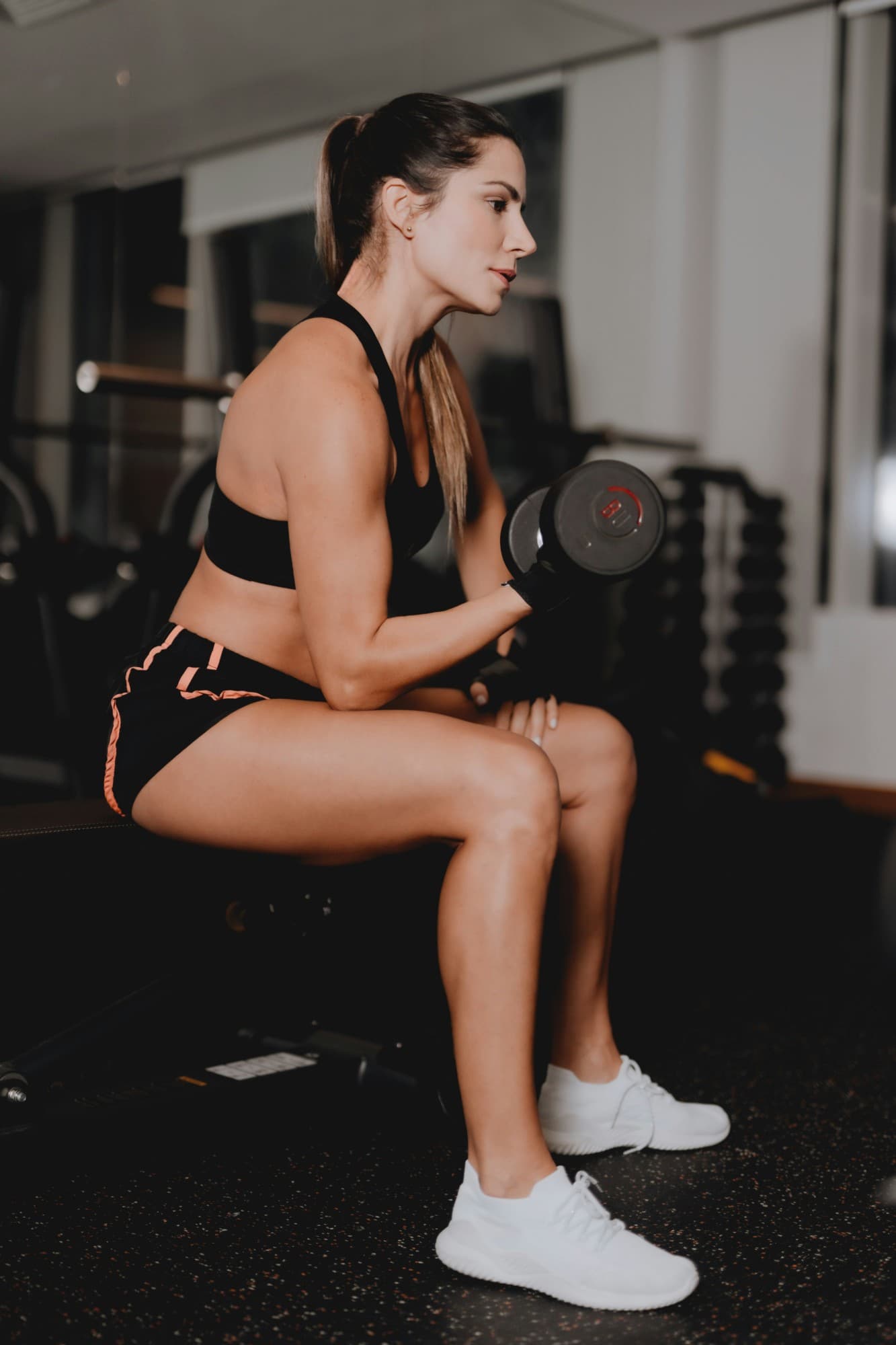
Walk into any gym and you'll find dozens of machines, hundreds of exercise variations, and endless conflicting advice about what you "should" be doing. If you're starting out, ignore almost all of it. Three movement patterns cover the vast majority of what your body actually needs to get stronger.
Why Just Three Exercises?
Strength training isn't about doing more exercises — it's about mastering a small number of patterns that train your whole body efficiently. Squats, hinges (like deadlifts), and presses cover the major muscle groups, the major joints, and the movements you rely on in everyday life: standing up, picking things up, pushing and carrying.
What Does the Squat Actually Train?
The squat trains your quads, glutes and core, and rehearses the pattern of standing up from a seated position — something you do dozens of times a day without thinking about it.
The ability to get up from a low chair or off the floor unassisted is one of the strongest predictors of independence as we age, according to research on functional fitness and falls prevention in older adults. Squatting, trained deliberately, maintains that capacity for decades.
Where to start: a bodyweight squat, focusing on depth and control rather than speed. Loaded versions — goblet squat, barbell squat — come later, once the pattern is solid.
What Does the Hinge (Deadlift Pattern) Train?
The hinge trains your hamstrings, glutes, and — critically — your lower back's ability to stay strong and stable under load, making it the single most protective pattern for everyday back health.
Most "bad backs" from picking things up incorrectly come from never having learned to hinge properly. Training this pattern deliberately is one of the best things you can do to bulletproof your lower back.
Where to start: a hip hinge with light weight or just bodyweight, focusing on keeping your spine neutral as you push your hips back. This takes longer to master than a squat — patience here pays off.
What Does the Press Train?
The press — both pushing and pulling variations — trains your chest, shoulders, back and arms, giving your upper body the ability to push things away and pull things toward you.
Upper body strength supports posture, shoulder health, and the practical ability to carry, lift and push things in daily life, from shopping bags to grandchildren.
Where to start: a basic push (like a wall or incline press) and a basic pull (like a seated row), building toward standard press and pulling variations as strength improves.
Do I Need More Than These Three Patterns?
Eventually, yes, but not at the start — everything else in a well-designed programme supports these three, it doesn't replace them. A programme built around squats, hinges and presses, done consistently with gradually increasing load, will get you further than a scattered routine chasing whatever's trending on social media. Isolation exercises, accessory work and conditioning all matter, but they're layered on afterward, not instead.
Once these patterns feel solid, the next question is usually how much weight to actually add and when — which is exactly what progressive overload is for.
The Takeaway
If you only remember one thing from this: master the squat, the hinge, and the press before worrying about anything else. These three patterns are the foundation everything else in strength training is built on — and they're exactly where a good programme should start. If you're new to training altogether, our guide to what a first personal training session actually looks like walks through exactly how these movements get introduced.
Frequently Asked Questions
What are the three most important exercises for beginners?
The squat, the hinge (deadlift pattern), and the press — together they train the major muscle groups and joints, and the movements you rely on every day: standing, lifting, pushing and carrying.
Why is the squat considered so important?
It trains the quads, glutes and core, and mirrors standing up from a seated position — the ability to do this unassisted is one of the strongest predictors of independence as we age.
What's the difference between a squat and a hinge?
A squat bends mainly at the knees and hips together; a hinge, like a deadlift, pushes the hips back with a soft knee bend. The hinge trains the hamstrings, glutes and lower back specifically.
Do I need weights to start with these movements?
No — bodyweight versions of the squat, hinge and press are the right starting point for most beginners. Load is added gradually once the pattern is controlled and consistent.
How long before I can add weight to these exercises?
There's no fixed timeline — once you can perform the movement with consistent, controlled form for a full set, you're ready to add light load and progress from there.
Ready to try a different approach?
Book a 30-minute discovery call with Mettle Fitness. No obligation.
Book Your Discovery Call