Hot Flashes: What's Really Happening and How to Manage Them
Hot flashes are the most recognised symptom of menopause — but few women understand why they happen or what actually works to reduce them. Here's the science and the practical strategies.
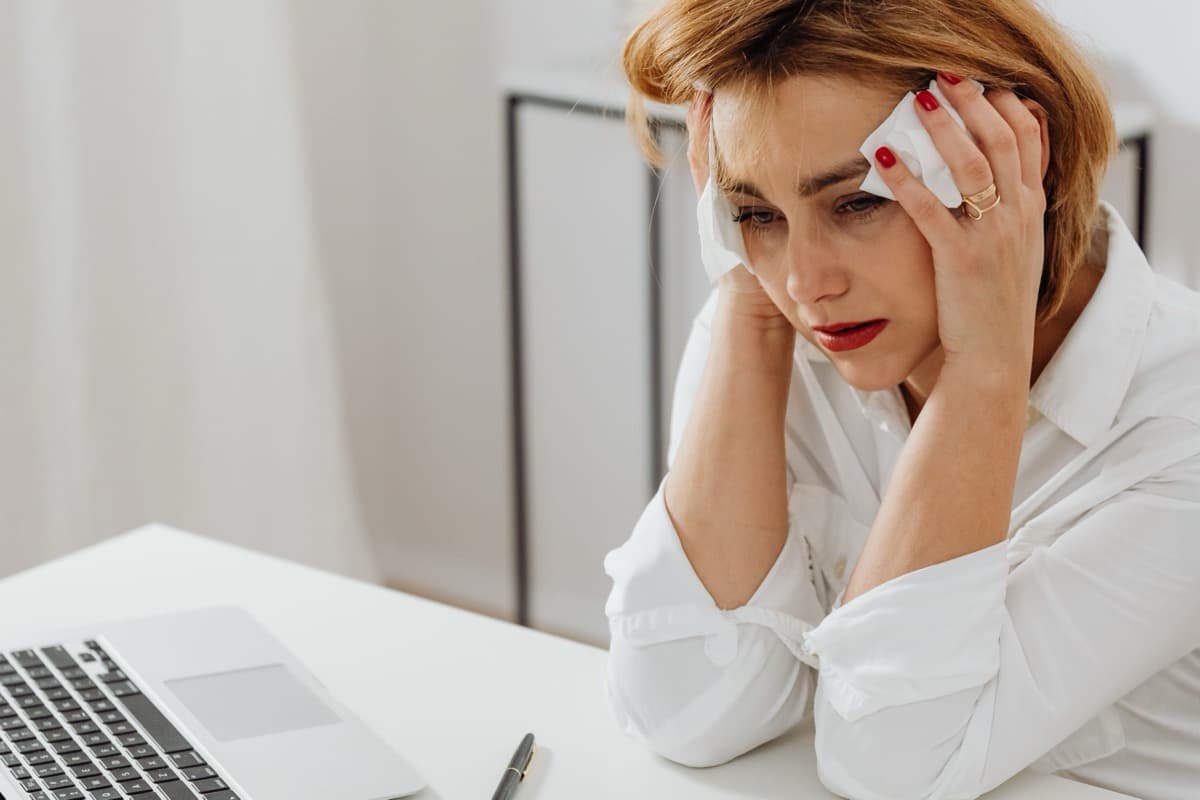
Hot flashes are the symptom most associated with menopause — and for good reason. They are one of the most common and recognisable symptoms of perimenopause and menopause, and for many women they are among the most disruptive and distressing aspects of this transition.
Yet despite being so common, they are often poorly understood. Many women are caught off guard by how intense, frequent, or prolonged they can be. And the advice on managing them is often vague or contradictory.
What's Actually Happening in Your Body During a Hot Flash?
A hot flash happens when falling oestrogen makes the hypothalamus — the brain's temperature control centre — oversensitive, causing it to trigger an exaggerated cooling response to a tiny, often harmless change in temperature or stress. It is not simply a feeling of being warm; it's a distinct physiological event, and the NHS lists hot flushes and night sweats among the most common symptoms of the menopausal transition.
Here's the sequence:
- The hypothalamus receives a signal (even a tiny increase in core body temperature, stress, caffeine, or alcohol) and interprets it as overheating
- It triggers an emergency cooling response: blood vessels near the skin's surface dilate rapidly, flooding the skin with heat
- Sweating begins to cool the body down
- Heart rate increases briefly
- The body temperature then drops, sometimes below normal — which is why a hot flash is often followed by chills
The whole episode typically lasts between 30 seconds and 5 minutes. At night, the same process causes night sweats, which disrupt sleep — see our post on sleep and menopause for how to manage the knock-on effect on rest.
For some women, hot flashes are mild and infrequent. For others they occur dozens of times a day, severely impacting work, sleep, and quality of life. Both experiences are valid.
What Triggers Hot Flashes?
Hot flashes are ultimately hormonal, but caffeine, alcohol, spicy food, heat, stress, and tight or synthetic clothing reliably make them more frequent or intense for many women. Common triggers include:
- Caffeine — particularly coffee consumed later in the day
- Alcohol — even one drink can increase frequency and intensity
- Spicy food — affects the same heat-sensing pathways
- Heat — warm rooms, hot drinks, hot showers
- Stress and anxiety — cortisol can lower the threshold for triggering the response
- Tight or synthetic clothing — traps heat against the skin
- Sudden temperature changes — moving from a cold space to a warm one
Not every woman is triggered by the same things. Keeping a brief diary for a week or two — noting when flashes occur and what preceded them — can reveal personal patterns that make them more manageable.
What Actually Helps With Hot Flashes?
No single fix eliminates hot flashes, but dressing in layers, cooling your environment, managing stress, exercising regularly, reducing known triggers, and — for more severe cases — medical treatment can each meaningfully reduce their frequency or impact. The combination that works best is usually personal, but most women see improvement from more than one of these together.
Does Dressing in Layers Help With Hot Flashes?
Yes — it's the most practical daily adaptation available, because it gives you immediate control over body temperature as it shifts. Light, breathable fabrics (cotton, linen, bamboo) worn in removable layers let you adjust quickly rather than being stuck overheating until you can change clothes.
Does Cooling Your Environment Reduce Hot Flashes?
Yes — a cooler environment, especially at night, measurably reduces the frequency of hot flashes and improves sleep quality. A small desk fan, keeping windows open, and sleeping with lightweight bedding all help. The bedroom matters most, since a cooler sleeping environment reduces night-time hot flashes and their disruption to sleep — something we cover in more depth in our post on the racing mind at bedtime.
Does Managing Stress Reduce Hot Flashes?
Yes — the link between stress and hot flash frequency is well established, because cortisol lowers the threshold at which the hypothalamus triggers a flash. Practices that downregulate the nervous system — slow breathing, mindfulness, regular exercise — reduce both the frequency and perceived intensity of flashes over time. If anxiety is a significant part of what you're navigating, our post on anxiety in perimenopause goes into this connection further.
Does Exercise Help With Hot Flashes?
Yes — women who exercise regularly report fewer and less severe hot flashes than sedentary women. Strength training in particular appears to be beneficial: it improves cardiovascular regulation, reduces stress hormones, and supports the metabolic shifts that perimenopause brings. It's worth noting that exercise itself can temporarily trigger a flash during the session, particularly in the early stages of a new routine, but the overall effect over time is positive — see our post on exercise and menopause for the fuller picture.
Does Cutting Caffeine and Alcohol Reduce Hot Flashes?
For many women, yes — cutting back on caffeine, alcohol, and spicy food doesn't eliminate hot flashes, but it meaningfully reduces their frequency. Small changes — switching to herbal tea in the afternoon, having one drink instead of two — are often enough to notice a difference.
What Medical Treatments Are Available for Hot Flashes?
For women with severe or frequent hot flashes significantly impacting quality of life, Hormone Replacement Therapy (HRT), non-hormonal medication, and CBT are all valid, evidence-based options. According to the NHS, HRT is the most effective treatment available for hot flushes and night sweats because it directly addresses the hormonal cause rather than managing symptoms around the edges — if you haven't discussed this with your GP, it's worth the conversation.
- Hormone Replacement Therapy (HRT) directly addresses the hormonal cause. If you have not discussed this with your GP, it is worth the conversation.
- Non-hormonal medications (such as certain antidepressants or gabapentin) are also effective for women who cannot or prefer not to take hormones.
- Cognitive Behavioural Therapy (CBT) has good evidence for reducing the distress and impact of hot flashes, even when it doesn't reduce their frequency.
Why Does Social Anxiety Make Hot Flashes Feel Worse?
Because the stress of worrying about a flash raises cortisol, and cortisol lowers the threshold at which the hypothalamus triggers one — so the fear of a hot flash can genuinely help cause the next one. This secondary stress layer — the fear of visibly flushing in a meeting, the embarrassment of sweating at an inopportune moment — makes hot flashes harder to bear on top of the physical experience itself.
With time, many women report that the flashes become less alarming once they understand what is happening and have strategies in place. The body is not malfunctioning — it is responding to a real hormonal shift, and that shift is temporary. If low mood or anxiety is part of what you're experiencing alongside the physical symptoms, our post on menopause and mental health covers that side of the transition.
You Don't Have to Just Put Up With It
Hot flashes are common but they are not something you simply have to endure without support. Between lifestyle changes, exercise, and medical options, most women can significantly reduce their impact.
If you would like to understand how strength training and lifestyle changes can support you through this stage, a 30-minute discovery call with Mettle Fitness is a great starting point.
Frequently Asked Questions
What causes hot flashes in menopause?
Falling oestrogen makes the hypothalamus, the brain's temperature control centre, oversensitive. It misreads small changes in temperature or stress as overheating and triggers a rapid cooling response.
How long does a hot flash usually last?
A single hot flash typically lasts between 30 seconds and 5 minutes. The overall pattern of flashes can continue on and off for several years during perimenopause and menopause.
What are the most common hot flash triggers?
Caffeine, alcohol, spicy food, warm rooms, stress, and tight or synthetic clothing are the most commonly reported triggers, though they vary from woman to woman.
Is HRT the most effective treatment for hot flashes?
Yes — the NHS identifies HRT as the most effective treatment for hot flashes and night sweats. Non-hormonal medication and CBT are effective alternatives for women who can't or prefer not to take hormones.
Can exercise help reduce hot flashes?
Yes, regular exercise — particularly strength training — is linked to fewer and less severe hot flashes over time, even though a single workout can occasionally trigger one in the moment.
Ready to try a different approach?
Book a 30-minute discovery call with Mettle Fitness. No obligation.
Book Your Discovery Call