Back to Reality Part 1: Resetting Your Body After the Holidays
The body after a summer break can feel unfamiliar — heavier, softer, less energetic. Here's how to reset without punishing yourself, and why the return to routine matters more than any quick fix.
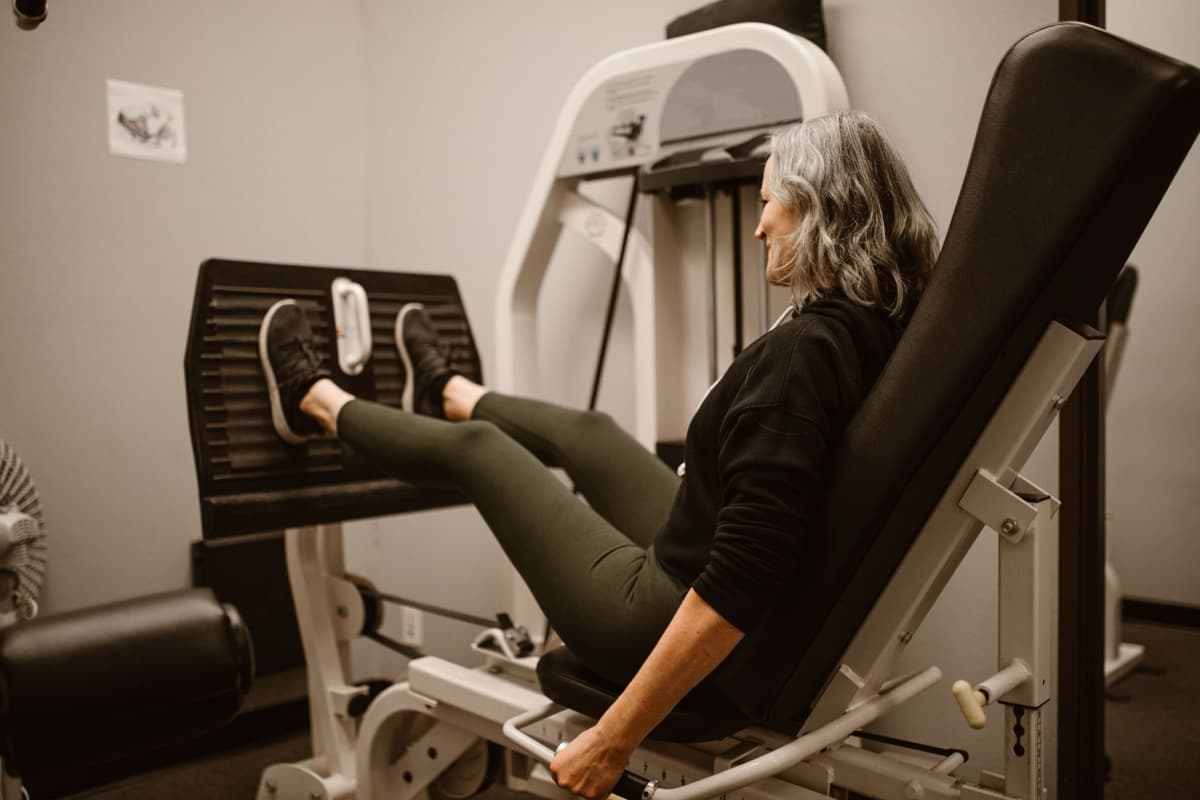
You are back. The bags are unpacked, the tan is fading, and your body does not feel quite like yours. Your clothes fit a little differently. Your energy is lower than you expected. You stepped on the scales — or deliberately did not. You feel simultaneously relieved to be home and vaguely guilty about the last three weeks.
This is one of the most common experiences women in perimenopause and menopause describe in early September. And like most things at this stage of life, understanding what is actually happening physiologically makes it far easier to respond to sensibly.
What Has Actually Changed in Your Body After a Holiday?
Most of what feels different after a holiday — the number on the scale, the lower energy, the loss of training sharpness — is temporary and reversible, not evidence that three weeks off has undone months of progress.
Is the Weight Gain After a Holiday Real Fat?
Mostly not — in the first week back, the majority of any increase on the scale is water retention, not fat. After a holiday that involved more alcohol, more carbohydrates, more salt, less sleep, and more heat than usual, your body holds onto fluid in response to higher sodium and carbohydrate intake, disrupted sleep, and elevated cortisol from travel and schedule disruption.
This is not fat. It does not require a dramatic response. It resolves, largely on its own, within one to two weeks of returning to normal eating and sleeping patterns.
The actual fat that may have accumulated over three to four weeks of holiday is real but small — typically one to two kilograms at most, for most people, in a typical summer break. During perimenopause, where oestrogen changes make fat storage around the abdomen more likely (see our post on menopause weight gain for the full mechanism), this can feel more significant than the numbers suggest. But it remains a small and manageable shift.
Have You Lost Your Fitness After a Few Weeks Off?
No — three weeks without structured exercise does not undo months of consistent training. A study on detraining in older adults found that lower-body muscular strength gains built over 12 weeks of training were still largely retained after a 4-week break, even though some other fitness measures faded faster. You may feel less capable in the first session or two back. You are not starting from zero — you are where you left off, with a brief adjustment period. Building that strength back, or building it for the first time, is exactly what progressive strength training is designed to do.
Is Something Wrong With Your Body After a Holiday?
No — it did what bodies do during holidays. It stored a little extra fuel because intake was higher. It retained some fluid. It lost a little training adaptation. These are all temporary, reversible, normal responses to a change in circumstances — not evidence of a problem or a failure.
How Do You Reset Without Punishing Yourself?
The reset that actually works is gradual and boring: normal training within a week, protein and sleep prioritised immediately, and no dramatic restriction — punishing yourself for a holiday tends to cause the exact problems you're trying to fix.
Should You Start With a Detox or Drastic Diet Cut?
No — the most common mistake women make returning from holiday is to immediately swing to restriction: a "detox," a dramatic calorie deficit, cutting entire food groups. During perimenopause, this approach tends to backfire. Significant restriction raises cortisol, which promotes abdominal fat storage — the opposite of the intended effect. It also risks losing muscle mass alongside any fat, which further impairs the metabolic function you are trying to protect.
A reset during perimenopause looks like returning to the basics: adequate protein at every meal, plenty of vegetables, stable blood sugar, enough water, less alcohol. Not punishment — recalibration.
How Do You Get Back to Training After a Break?
Return to your normal training routine within the first week back, at a slightly reduced intensity rather than trying to compensate for lost time. Do not try to make up for three weeks away by training harder or more frequently than usual; this increases injury risk and adds physiological stress at a point when your body is already readjusting.
Aim for your normal sessions at slightly reduced intensity for the first week — perhaps 70 to 80% of your usual effort. By week two, you should be back to your normal training load with little or no adaptation lag.
If you were not training regularly before the holiday, the return from summer is one of the best moments of the year to start. The psychological reset of September makes behaviour change significantly easier — more on this in Part 2 of this series, which covers the emotional side of the September return.
Why Should You Prioritise Sleep First?
Sleep is the foundation that every other reset depends on, so if it is still disrupted from travel, later nights, or the residual effects of alcohol, address this before anything else. Return to consistent sleep and wake times. Avoid alcohol for the first week back — not as a permanent restriction, but as a reset tool. Ensure your bedroom is cool and quiet. The water retention, the fatigue, the mood variability — much of this resolves faster when sleep is restored.
How Do You Reintroduce Protein After a Holiday?
Make protein the anchor of every meal from the first week back, since holiday eating typically means reduced protein and increased carbohydrates, and muscle maintenance during perimenopause depends on adequate protein — typically more than most women naturally eat. Prioritise eggs, Greek yogurt, fish, chicken, legumes. You do not need to measure or track — just make it the anchor of each plate.
Should You Start With Walking Instead of Full Training?
Yes, if full training feels overwhelming — walking is a legitimate starting point, not a lesser one. Thirty minutes a day of brisk walking restores blood sugar regulation, reduces cortisol, supports sleep, and begins rebuilding the habit of daily movement. It is the foundation that makes everything else easier to sustain.
Is the Post-Holiday Reset About Undoing the Holiday?
No — the more useful reframe is to treat this as continuing the process the holiday began, not undoing damage from it. You rested. You reset your nervous system. You reduced your stress load. You gave your body a different kind of input for a few weeks.
Now you are returning to the structure and consistency that builds on that foundation — not recovering from a failure, but picking up where the good work left off.
Be patient with the first two weeks. The body is reorganising. Most of what feels different will resolve on its own. What remains after that is genuinely worth addressing — calmly, consistently, without drama.
This is Part 1 of a two-part series on returning from the summer break. Part 2 covers the emotional side of the September return — the low mood, the resistance to routine, and how to protect your mental health through the transition.
Frequently Asked Questions
Is post-holiday weight gain mostly fat?
No — in the first week back, most of the increase on the scale is water retention from higher sodium, carbohydrate intake, disrupted sleep and travel cortisol. Actual fat gained is usually small, around one to two kilograms.
Do you lose fitness after a few weeks off training?
Not as much as most people fear. Research shows strength in particular is well retained through short breaks, and you can typically expect to be back to your normal training load within about two weeks.
Should you do a detox or drastic diet cut after a holiday?
No — aggressive restriction raises cortisol, which promotes abdominal fat storage, and risks losing muscle alongside any fat, undermining the metabolic function you're trying to protect.
How do you reset your training after a break?
Return to your normal routine within the first week, at around 70 to 80% of your usual intensity, and expect to be back to full training load by week two without needing to overcompensate.
What should you prioritise first when getting back to routine?
Sleep. Consistent sleep and wake times, and cutting alcohol for the first week back, speed up recovery from water retention, fatigue and mood disruption more than any other single change.
Ready to try a different approach?
Book a 30-minute discovery call with Mettle Fitness. No obligation.
Book Your Discovery Call