Menopause Nutrition: What to Eat to Feel Better
There's no magic diet for menopause, but the right nutrition can help you manage symptoms, maintain your energy, and protect your long-term health. Here's what to prioritise — and what to moderate.
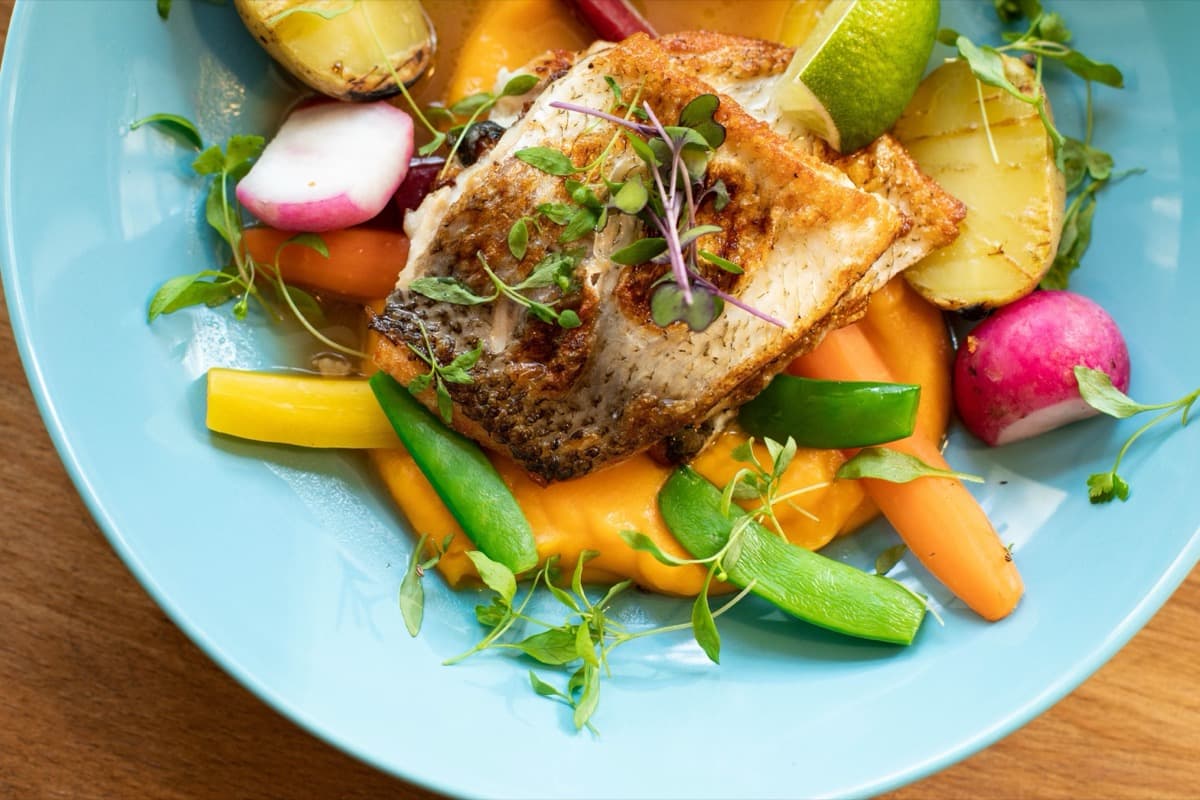
Menopause is a natural stage in a woman's life, but the hormonal changes that accompany it can cause symptoms such as hot flashes, mood swings, weight gain, fatigue, sleep disturbances, and loss of muscle and bone mass. Although there is no magic diet to eliminate all of these symptoms, proper nutrition can help you feel better, maintain your energy, and look after your long-term health.
Why Does the Body Change During Menopause?
Decreasing oestrogen affects fat storage, muscle maintenance, and bone density, which is why many women notice more belly fat, harder weight management, faster muscle loss, and a higher risk of osteoporosis and cardiovascular disease during this stage. Many women notice that they accumulate more belly fat, find it harder to maintain their weight, lose muscle mass more easily, and face a higher risk of osteoporosis and cardiovascular disease — see our post on menopause weight gain for more on why this happens and what actually helps.
That is why nutrition becomes a fundamental tool to navigate this stage with well-being and confidence.
What Foods Should You Eat During Menopause?
Quality protein, calcium, vitamin D, fruits and vegetables, healthy fats, and fibre are the foods to prioritise, since each one directly supports a system menopause puts under more strain — muscle, bone, hormones, or digestion.
How Much Protein Do You Need During Menopause?
Aim to include a protein source in every meal — starting around age 40, a gradual loss of muscle mass begins, and it can accelerate during menopause, so consuming enough protein helps maintain strength, improve recovery, and promote satiety. The British Dietetic Association notes that adequate protein intake, alongside resistance exercise, is one of the most effective ways to counter this age-related muscle loss.
Some great options include:
- Fish
- Eggs
- Chicken and turkey
- Plain Greek yogurt
- Fresh cheese
- Legumes
- Tofu and tempeh
If you want to understand how protein pairs with training to protect muscle through menopause, our post on why strength training matters in menopause covers the other half of the equation.
How Much Calcium Do You Need During Menopause?
There's no menopause-specific increase in the general adult calcium target, but falling oestrogen raises the risk of bone loss, so hitting your calcium needs consistently matters more during this stage. The NHS recommends getting calcium from food sources including:
- Plain dairy products
- Sardines and anchovies
- Almonds
- Broccoli
- Kale
- Calcium-fortified plant-based milks
Bone health is closely tied to this stage of life — our post on bone health and osteoporosis prevention goes into the wider picture beyond diet, including how training protects bone density.
How Much Vitamin D Do You Need During Menopause?
The NHS recommends 10 micrograms of vitamin D a day for adults, and vitamin D matters here specifically because it helps the body absorb the calcium your bones need as oestrogen falls. You can obtain it through:
- Moderate sun exposure
- Fatty fish like salmon, mackerel, or sardines
- Eggs
- Fortified foods
In some cases, supplementation may be necessary, always under professional supervision.
How Many Fruits and Vegetables Should You Eat?
Aim to fill at least half your plate with a variety of fruits and vegetables every day, since they supply the vitamins, minerals, fibre, and antioxidants that help combat inflammation and protect cardiovascular health during menopause.
What Healthy Fats Should You Include?
Regularly including olive oil, avocado, nuts, seeds, and oily fish supports hormonal, brain, and cardiovascular health — all systems that come under more pressure as oestrogen declines. Regularly include:
- Extra virgin olive oil
- Avocado
- Nuts
- Chia and flax seeds
- Oily fish
How Much Fibre Do You Need During Menopause?
Prioritising fibre-rich foods at most meals helps control appetite, improve digestion, and keep blood sugar stable — all of which become harder to manage as hormone levels shift. Good sources of fibre include:
- Oats
- Legumes
- Fruits
- Vegetables
- Whole grains
- Seeds
Which Foods Can Make Menopause Symptoms Worse?
Alcohol, excess caffeine, refined sugar, ultra-processed food, and — for some women — spicy food can increase hot flashes or disrupt sleep, though every woman responds differently. It is advisable to moderate:
- Alcohol
- Excessive caffeine
- Refined sugars
- Ultra-processed foods
- Highly spicy foods if they trigger hot flashes
The most important thing is to observe how your body responds and adapt your nutrition to your needs — the same triggers that affect symptoms are covered in more depth in our post on hot flashes.
How Much Water Should You Drink During Menopause?
Aim for 1.5 to 2 litres of water a day, adjusting for activity level and temperature, since dry skin and mucous membranes are common during menopause and good hydration helps improve overall wellbeing.
What Does a Balanced Menopause Plate Look Like?
A balanced menopause plate is roughly half vegetables, a quarter protein, a quarter whole-grain carbohydrates, plus a portion of healthy fat. A simple way to organise your meals is:
- ½ plate of vegetables
- ¼ plate of protein
- ¼ plate of whole-grain carbohydrates
- A portion of healthy fat
For example: baked salmon + quinoa + mixed salad with olive oil and avocado.
Is Nutrition Enough on Its Own?
No — nutrition makes a real difference, but it works best combined with strength training, regular physical activity, adequate rest, and stress management, since diet alone doesn't address the muscle and bone loss that menopause accelerates.
Menopause is not the end of your well-being, but a new stage where you can learn to care for your body in a different way. With healthy habits and consistency, it is possible to feel strong, energized, and fully enjoy this phase of life.
Remember: it is not about following restrictive diets, but about building a balanced and sustainable way of eating that supports your hormonal, muscular, and bone health during menopause.
Frequently Asked Questions
What foods should I eat during menopause?
Prioritise protein, calcium, vitamin D, fibre, fruit and vegetables, and healthy fats at every meal — together they support the muscle, bone, and cardiovascular health that hormonal change puts under more pressure.
How much protein do I need during menopause?
Enough to include a protein source at every meal. Muscle loss begins around age 40 and can accelerate during menopause, so adequate protein helps preserve strength, aid recovery, and support satiety.
How much calcium do I need during menopause?
Falling oestrogen raises the risk of bone loss, so prioritising calcium-rich foods — dairy, tinned fish with bones, leafy greens, fortified plant milks — matters more than ever during this stage.
Should I take a vitamin D supplement in menopause?
Many women benefit from one, particularly in autumn and winter. The NHS recommends 10 micrograms of vitamin D a day, from sunlight, oily fish, eggs, fortified foods, or a supplement if needed.
What foods make menopause symptoms worse?
Alcohol, excess caffeine, refined sugar, ultra-processed food, and — for some women — spicy food can worsen hot flashes or disrupt sleep, though individual triggers vary and are worth tracking.
Ready to try a different approach?
Book a 30-minute discovery call with Mettle Fitness. No obligation.
Book Your Discovery Call