Holidays and Hormones: How to Prepare Your Body for Summer Break
Holidays during perimenopause can feel more complicated than they used to — heat, disrupted routines, alcohol, and sleep changes all interact with your hormones. Here's how to prepare smartly.
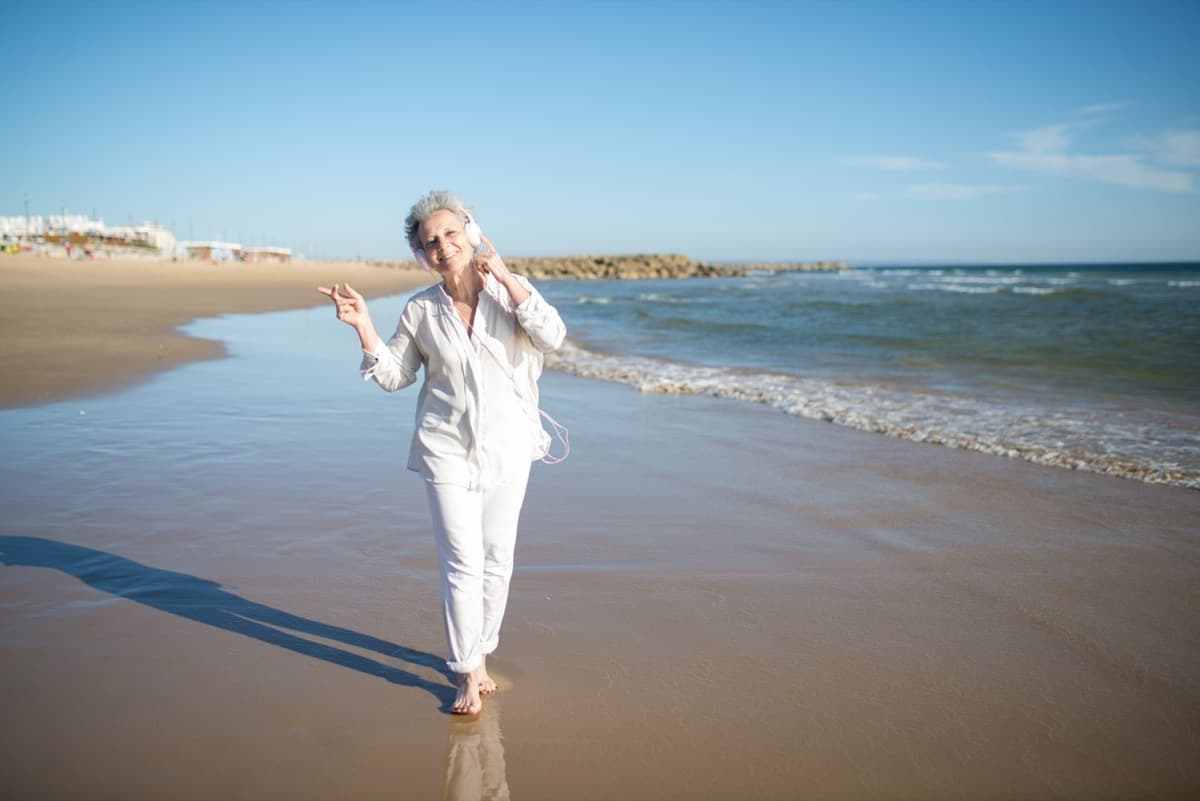
Holidays are supposed to be restorative. And for many women, they are — a genuine break from routine, time with people they love, a change of scenery that shifts perspective in ways that are hard to manufacture any other way.
But for women in perimenopause or menopause, the summer break can also bring an unexpected set of complications. The heat triggers hot flashes. The change in sleep environment disrupts already fragile sleep. The diet shifts, alcohol increases, and the body that had finally found some equilibrium in its daily routine is suddenly without any of its anchors.
None of this means holidays are a problem. It means it is worth going into them with some awareness — and without the guilt that comes from feeling like your body is not cooperating.
What Actually Changes on Holiday?
Heat, sleep environment, alcohol intake, and routine loss are the four factors most likely to unsettle perimenopausal symptoms while you're away.
Why Does Heat Trigger Hot Flushes on Holiday?
Because your thermoregulation system is already dysregulated by fluctuating oestrogen, and adding a hot climate, direct sun, and minimal airflow predictably increases the frequency and intensity of hot flushes. This is not a sign that something has gone wrong — it is a predictable response to a known trigger.
Why Does Sleep Fall Apart on Holiday During Perimenopause?
A different bed, a warmer room, unfamiliar sounds, time zone changes, and later nights all conspire against sleep that's already more vulnerable during perimenopause, and many women find sleep they'd been managing reasonably well at home falls apart entirely. This leaves them exhausted in a way that affects their enjoyment of the whole break — the mechanics of why perimenopausal sleep is so fragile in the first place are covered in our post on sleep and menopause.
Does Alcohol Make Menopause Symptoms Worse on Holiday?
Yes — alcohol disrupts sleep architecture, increases hot flush frequency, affects blood sugar regulation overnight, and elevates cortisol the following day, and the NHS lists alcohol and caffeine among the main triggers worth reducing for fewer hot flushes and night sweats. None of this means you cannot enjoy a drink — but knowing the mechanism helps you make intentional choices rather than being surprised by the consequences.
Why Does Losing Your Routine on Holiday Worsen Symptoms?
Because the structures that support hormonal health — regular meals, consistent sleep and wake times, regular exercise — often disappear on holiday, and for women whose symptoms are sensitive to routine, this can amplify almost everything: mood instability, energy crashes, sleep problems, digestive changes.
How Should You Prepare?
Packing for your actual symptoms, prepping your sleep environment in advance, keeping movement light, drinking intentionally, and prioritising protein cover most of what tends to go wrong.
What Should You Pack to Manage Menopause Symptoms on Holiday?
Lightweight, breathable fabrics in layers, a small personal fan, cooling wipes or a facial mist, and earplugs and a sleep mask for unfamiliar environments — small practical tools that make a real difference, not signs of high maintenance.
How Do You Prepare Your Sleep Environment for the First Night Away?
Cool the room down before you go to bed — open windows, turn on air conditioning, travel with a thin pillow if you know hotel pillows affect your sleep. The first night in a new place tends to be the worst, so anticipating and minimising disruptions helps your body adjust faster.
Do You Need to Keep Your Usual Training Routine on Holiday?
No — replicating your usual regime often generates more stress than benefit. But some daily movement maintains the hormonal and neurological benefits of exercise without requiring a gym: a morning walk before the heat builds, a swim, a gentle yoga session on the terrace. Movement that fits the context of where you are is both sustainable and genuinely helpful.
How Can You Drink on Holiday Without Worsening Symptoms?
Make it a choice rather than a default — one drink that you savour is very different from three drinks that happen because you are in a social flow, and knowing the likely impact on your sleep and the following day lets you weigh it deliberately. Some women find that switching from wine to spirits with soda reduces the hot flash response; others find a rest day from alcohol mid-holiday makes a noticeable difference to sleep quality.
Does Holiday Eating Affect Menopause Symptom Management?
Yes — holiday eating often shifts heavily toward carbohydrates while protein intake drops significantly, and for women managing muscle mass and blood sugar stability during perimenopause, this matters. Including a protein source at every meal — eggs at breakfast, fish or meat at lunch or dinner, Greek yogurt as a snack — maintains the hormonal and metabolic support your body needs without requiring any heroic effort.
Should You Fill Every Day of Your Holiday With Activity?
No — genuine rest during perimenopause and menopause is therapeutic, not wasted time. It reduces cortisol, supports the nervous system, and creates the conditions for the body to regulate itself more effectively. One of the more counterproductive things women do on holiday is fill it entirely with activity and then return home more exhausted than when they left — partly a cultural habit of treating holidays as something to be maximised, experienced, photographed, crossed off a list. For a deeper look at what genuine rest during this stage actually requires, see our post on how to actually rest during the menopause years. An afternoon doing nothing is not wasted time. It may be exactly what your physiology needs.
The holiday does not need to be perfect, and neither does your body. Going in with some awareness of your triggers, some practical tools, and realistic expectations is not spoiling the fun — it is making the fun actually work.
Frequently Asked Questions
Why do hot flushes get worse on holiday?
Heat is one of the most reliable hot flush triggers. When your thermoregulation is already dysregulated by fluctuating oestrogen, a hot climate and direct sun raise their frequency and intensity — predictable, not a sign of anything wrong.
Does alcohol make menopause symptoms worse when travelling?
Yes — alcohol disrupts sleep architecture, increases hot flush frequency, affects overnight blood sugar, and raises next-day cortisol. The NHS names alcohol and caffeine among the main hot flush triggers to reduce.
Do I need to keep my normal exercise routine on holiday?
No. Replicating your usual regime often creates more stress than benefit — a morning walk, a swim, or gentle yoga maintains the same hormonal benefits without needing a gym.
What's the single most useful thing to pack for perimenopausal symptoms on holiday?
Lightweight breathable layers and a small personal fan for the bedside table cover both daytime heat and night sweats — practical tools, not signs of high maintenance.
Is it okay to just rest on holiday instead of filling every day with activity?
Yes — genuine rest during perimenopause is therapeutic, not wasted time. It reduces cortisol and supports nervous system regulation, which is exactly what your body needs during this stage.
Ready to try a different approach?
Book a 30-minute discovery call with Mettle Fitness. No obligation.
Book Your Discovery Call